
Essential Guide to Breaststroke Fins: Enhancing Your Swimming Technique
By Zoe Okonkwo · · 4 min read
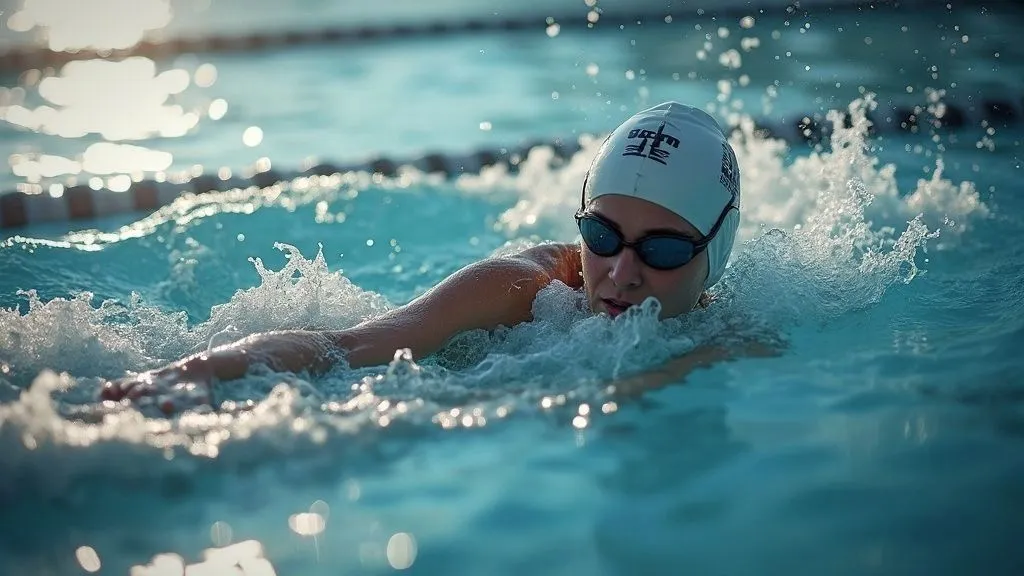
Breaststroke fins are an invaluable tool for swimmers looking to refine their technique and improve their overall performance. Whether you’re a competitive athlete or a recreational swimmer, understanding how to use these fins effectively can make a significant difference in your training routine. This article delves into the various benefits of breaststroke fins, their proper usage, and considerations to keep in mind to maximize your swimming experience.
What Are Breaststroke Fins?
Breaststroke fins are specialized swimming aids designed to enhance the breaststroke technique. Unlike traditional swim fins, which are typically longer and designed for speed, breaststroke fins are shorter and wider, allowing for a more controlled kick. This design helps swimmers focus on their stroke technique, body position, and overall efficiency in the water.
The Anatomy of Breaststroke Fins
Breaststroke fins are characterized by their unique shape and size. They usually feature:
- Short Blade Length: This helps swimmers maintain a natural kicking motion without compromising their body position.
- Wider Surface Area: The broader design allows for greater propulsion, enabling swimmers to engage their leg muscles effectively.
- Flexible Material: Many breaststroke fins are made from rubber or silicone, providing comfort and ease of movement.
Benefits of Using Breaststroke Fins
Incorporating breaststroke fins into your training can yield several advantages. Here are some of the primary benefits:
Improved Technique
One of the most significant advantages of using breaststroke fins is the ability to enhance your swimming technique. Fins help swimmers focus on their kick and body position, allowing for better coordination between the arms and legs. By emphasizing the correct movements, swimmers can develop muscle memory, leading to improved performance during regular swimming sessions.
Enhanced Leg Strength
Swimming with fins can also build leg strength. The resistance provided by the fins forces your muscles to work harder, particularly in the hamstrings, quadriceps, and calves. Over time, this added strength can translate into a more powerful and effective kick when swimming without fins.
Increased Confidence
For novice swimmers, breaststroke fins can offer a sense of security. The added buoyancy and propulsion can help beginners feel more stable in the water. This confidence enables them to focus on learning proper breathing techniques and stroke mechanics without the fear of sinking or struggling to stay afloat.
How to Use Breaststroke Fins
To maximize the benefits of breaststroke fins, it’s essential to use them correctly. Here are some tips for effective use:
Start Slow
When first introducing fins into your training routine, begin with shorter swim sets. This allows your body to adjust to the added resistance while minimizing fatigue. Gradually increase the duration and intensity of your workouts as you become more comfortable.
Focus on Technique
While using fins, concentrate on your stroke technique. Ensure that your arms and legs work together harmoniously. Pay attention to your body position; your hips should remain near the surface of the water to maintain an efficient swimming posture.
Incorporate Drills
Incorporate specific drills into your training that focus on various aspects of the breaststroke. For example, practice kicking with fins while keeping your arms extended in front of you to emphasize the kick’s role in the stroke. Alternatively, try using fins while performing a one-arm breaststroke drill to isolate arm movements.
Choosing the Right Breaststroke Fins
Not all breaststroke fins are created equal. When selecting the right fins for your needs, consider the following factors:
Fit and Comfort
Choosing fins that fit well is crucial for comfort and performance. Look for fins that provide a snug fit without being overly tight. If possible, try on various sizes and styles to find the pair that feels best for you.
Material and Flexibility
The material of the fins can affect performance and comfort. Softer materials tend to offer more flexibility, which can be beneficial for swimmers focusing on technique. Conversely, stiffer fins may provide more propulsion but could be less comfortable for extended use.
Brand and Reviews
Researching trusted brands and reading reviews can help you make an informed decision. Brands such as Speedo and Finis are well-known for their quality swimming equipment. Check out user experiences and expert recommendations to find the right fins for your needs.
Common Mistakes to Avoid
While breaststroke fins can be incredibly beneficial, it’s essential to avoid common pitfalls that may hinder your progress:
Over-Relying on Fins
While fins can enhance your technique, it’s vital not to become overly reliant on them. Ensure that you balance your training between using fins and swimming without them. This balance will help maintain your natural swimming ability and prevent muscle imbalances.
Ignoring Body Position
A common mistake swimmers make is neglecting their body position while using fins. Even with fins, maintaining a streamlined posture is essential for optimizing performance. Focus on keeping your hips high and your head in line with your spine to reduce drag in the water.
Skipping the Warm-Up and Cool Down
Incorporating a proper warm-up and cool-down routine is essential for any training session. Before using fins, take the time to do some light stretching and swim a few laps without fins to prepare your muscles. After your workout, cool down with gentle stretches to promote flexibility and recovery.
Conclusion
Breaststroke fins are a powerful tool for swimmers aiming to refine their technique and boost their performance. They not only enhance kicking strength but also promote better body position and coordination, vital elements of a successful swimming stroke. By incorporating these fins into your training regimen, you can unlock new levels of efficiency in the water. Whether you are looking to compete or simply enjoy the sport, understanding the role of breaststroke fins can be an essential aspect of your swimming journey. If you want to dive deeper into swimming techniques, feel free to Learn More about how to make the most of your training sessions.