
Behind the Scenes of Event Production: The Magic of "Cinderella"
By Zoe Okonkwo · · 4 min read
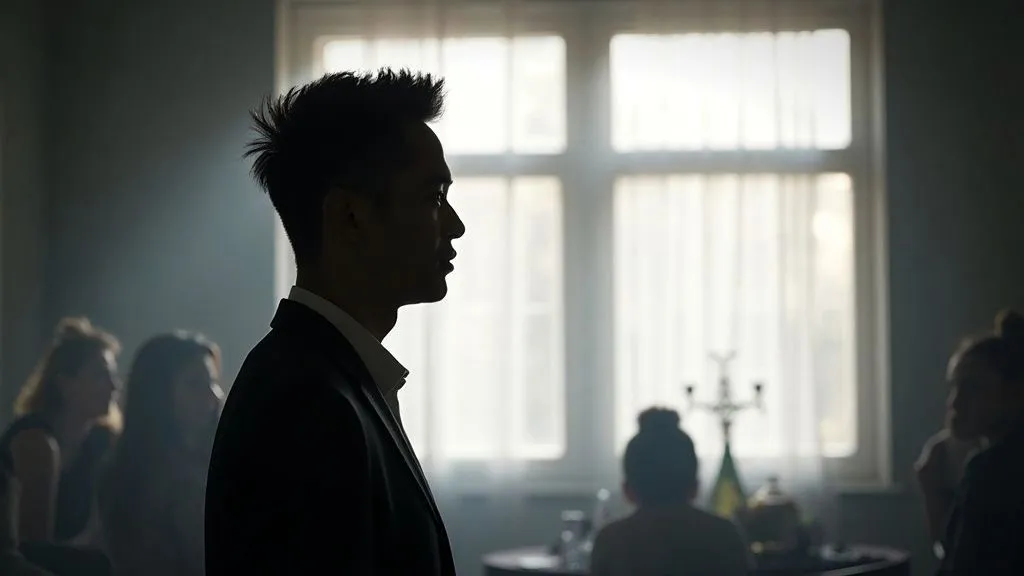
The tale of Cinderella has enchanted audiences for generations, transcending cultures and time. However, the magic that brings such stories to life on stage is often overlooked. Event production, especially for theatrical performances like “Cinderella,” requires meticulous planning, creativity, and teamwork. This article delves into the intricate process of producing a beloved fairytale and highlights the crucial elements that contribute to a successful event.
The Importance of Pre-Production
Pre-production is the first and perhaps the most critical phase in the event production process. This stage sets the foundation for everything that follows, ensuring that the vision for the production is clear and achievable.
Concept Development
Every great production starts with a concept. For “Cinderella,” the creative team often begins by discussing themes, aesthetics, and the overall message they want to convey. Will it be a traditional retelling or a contemporary twist? This foundational brainstorming helps in shaping the script, design elements, and performance style.
Budgeting and Scheduling
Once the concept is solidified, the next step is budgeting and scheduling. Producers must determine how much money is available for various aspects of the production, including venue rental, costumes, sets, and marketing. Creating a detailed timeline ensures that all elements stay on track, from the initial read-through to the final performance.
Casting the Right Talent
Casting is a crucial element that can make or break a performance. Auditions are held to find the perfect actors who not only fit the roles but can also bring the characters to life. In the case of “Cinderella,” the casting team looks for individuals who can portray the innocence and resilience of Cinderella, the vanity of the stepsisters, and the charm of the Prince.
Design and Technical Elements
With the cast in place, the production moves into the design phase, where the visual aspects take center stage.
Set and Costume Design
The set design plays a significant role in immersing the audience in Cinderella’s world. Designers create sketches and models to visualize how the different scenes will unfold. From the grand ballroom to the humble kitchen, each element must reflect the story’s essence.
Costume design is equally important. The transformation of Cinderella from rags to riches is a pivotal part of the narrative. Designers meticulously craft costumes that not only fit the characters but also enhance their personalities. The Fairy Godmother’s whimsical attire and the stepsisters’ garish gowns contribute significantly to the visual storytelling.
Lighting and Sound
Lighting sets the mood for each scene and helps direct the audience’s attention. The lighting designer collaborates with the director to create a dynamic atmosphere that enhances the narrative. For example, soft lighting during Cinderella’s moments of despair contrasts sharply with bright hues during the ball.
Sound design also plays a vital role in creating an immersive experience. From the subtle rustle of Cinderella’s gown to the enchanting melodies of the score, sound enhances emotional engagement. A well-composed soundtrack can elevate the performance to new heights.
Rehearsals: Bringing It All Together
With all elements in place, rehearsals begin. This stage is where the magic truly happens.
Blocking and Choreography
During rehearsals, the director works closely with the cast to develop the blocking, or the movement of actors on stage. Choreography is also introduced, particularly for musical numbers. Dance routines must be synchronized with the music and seamlessly integrated into the narrative. This requires patience, practice, and a lot of teamwork.
Technical Rehearsals
As the performance date approaches, technical rehearsals take center stage. This is the time when lighting, sound, and set transitions are tested in real-time. It’s crucial for the technical crew to ensure that every cue is executed flawlessly to avoid disruptions during the actual performance.
Marketing and Audience Engagement
Producing a show like “Cinderella” is not just about the on-stage elements; it also involves effectively marketing the event to attract an audience.
Promotional Strategies
Marketing teams develop promotional strategies that may include social media campaigns, posters, and community outreach. Engaging the community through workshops, behind-the-scenes glimpses, or meet-and-greets with the cast can foster excitement and build a loyal audience.
Ticket Sales and Audience Experience
Efforts to maximize ticket sales are vital. Offering early bird discounts or family packages can encourage attendance. Furthermore, creating a positive audience experience—from the moment they arrive until the curtain call—ensures that they leave with fond memories and a desire to return for future productions.
Performance and Feedback Loops
After months of hard work, the show finally opens to the public. This is the culmination of all the effort put in by the cast and crew.
The Big Night
Opening night is both thrilling and nerve-wracking. Every actor takes the stage, and the production unfolds as planned, with the audience watching in anticipation. Each performance is an opportunity to refine and enhance the show, as feedback from audiences and critics can bring insights for improvement.
Continuous Improvement
After the run concludes, the production team gathers to discuss what went well and what could be improved for future performances. This feedback loop is essential in the event production industry, as it fosters growth and innovation.
Conclusion: The Art of Event Production
Producing a theatrical performance like “Cinderella” is a complex dance of creativity, logistics, and collaboration. From the initial concept through rehearsals and finally to the performance, each step is vital in crafting a magical experience for the audience. The behind-the-scenes work may not always be visible, but it is the backbone of successful event production. So, the next time you sit in the audience, remember the countless hours of dedication that made the enchanting tale come to life.