
Your Ultimate FAQ Guide to Successful Event Production
By Zoe Okonkwo · · 7 min read
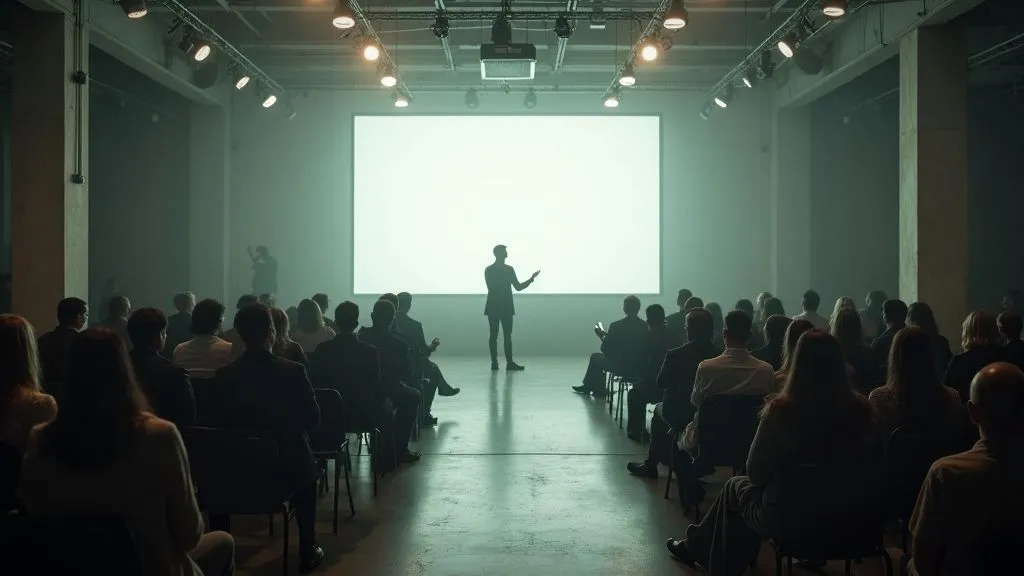
Event production is a multifaceted field, where creativity and logistical prowess blend to create memorable experiences. Whether you’re planning a corporate retreat, a wedding, or a large festival, understanding the nuances of event production can make all the difference. Below, we tackle the most common questions about event production, offering insights that could save you time, money, and headaches.
What is Event Production?
Event production encompasses the planning, organization, and execution of events, ranging from intimate gatherings to large-scale festivals. It involves various elements including venue selection, technical setup, decor, catering, and entertainment. The process requires meticulous attention to detail and collaboration among various stakeholders.
Why is Event Production Important?
Successful event production is crucial for several reasons:
- Professionalism: Well-executed events project an image of reliability and professionalism.
- Audience Engagement: A thoughtfully produced event captures and maintains the audience’s interest.
- Logistics Mastery: Good event production includes handling logistical challenges, ensuring that everything flows smoothly.
According to a recent survey by the Event Marketing Institute, 95% of event marketers believe that live events provide attendees with a valuable opportunity to form connections.
What Are the Key Components of Event Production?
When planning any event, focus on the following components:
-
Venue Selection
- Location is critical. Consider accessibility, capacity, facilities, and ambiance.
- Evaluate potential venues based on logistical needs like parking, Wi-Fi, and restrooms.
-
Scheduling and Timeline
- Create a detailed timeline with milestones leading up to the event day.
- Include setup, rehearsal times, and breakdown in your schedule.
-
Budgeting
- Establish a clear budget early on and allocate funds accordingly.
- Always include a contingency fund for unexpected expenses.
-
Technical Production
- This includes lighting, sound, and video production. Engage professionals to ensure quality.
- Be clear about your technical needs and preferences when communicating with the production team.
-
Catering
- Factor in dietary restrictions and preferences. A good caterer will not only provide food but create an experience.
- Consider options for buffet versus plated service.
-
Entertainment
- Select entertainment that aligns with your event’s theme and audience.
- Include a mix of activities to keep guests engaged.
-
Marketing and Promotion
- Develop a strategy to promote your event effectively. Utilize social media, email marketing, and traditional advertising methods.
- Start promoting early to build excitement and secure attendance.
What are Common Challenges in Event Production?
Even seasoned planners face hurdles in event production. Here are some common challenges:
-
Budget Overruns: Keep a close eye on your budget and track all expenses to avoid surprises.
-
Vendor Reliability: Always have a backup plan if a vendor falls through at the last minute. A solid network of reliable vendors is invaluable.
-
Weather Conditions: Outdoor events can be particularly susceptible to weather changes. Always have a rain plan in place.
-
Last-Minute Changes: Be prepared to adapt. Flexibility is key in event production, so adjust plans when necessary without compromising quality.
How Do I Choose the Right Event Production Team?
Selecting the right team is vital for successful event production. Here are some tips:
-
Experience and Expertise
- Look for teams with a proven track record in the specific type of event you’re hosting.
-
Portfolio Review
- Request a portfolio or case studies. Check for diversity in the types of events they have produced.
-
Client Testimonials
- Ask for references. Speaking to past clients can provide insight into their reliability and quality of work.
-
Communication
- Effective communication is crucial. Ensure the team is responsive and open to your ideas and concerns.
-
Budget Alignment
- Ensure their services align with your budget. Be upfront about what you can afford.
What Should Be Included in the Event Production Contract?
Contracts are essential for protecting both parties. Here are key elements to include:
-
Scope of Work: Clearly outline the services being provided.
-
Payment Terms: Specify payment schedule, including deposits and final payments.
-
Cancellation Policy: Understand the terms if you need to cancel or reschedule the event.
-
Liability Clauses: Include clauses that address liability for damages incurred during the event.
-
Force Majeure: Ensure there are terms covering unforeseen circumstances like natural disasters.
How Do I Measure the Success of an Event?
Measuring success can be subjective, but here are some common metrics:
-
Attendance Numbers: Compare actual attendance to your initial goals.
-
Feedback Surveys: Post-event surveys can provide valuable insights. Ask attendees what they liked and what could be improved.
-
Social Media Engagement: Track mentions, shares, and overall engagement on social platforms.
-
Return on Investment (ROI): Analyze costs against revenue generated (if applicable) to determine financial success.
What Role Does Technology Play in Event Production?
Technology has transformed event production in numerous ways:
-
Event Apps: Custom apps can enhance attendee experiences, providing schedules, maps, and networking opportunities.
-
Live Streaming: With more events going virtual or hybrid, live streaming has become essential for reaching broader audiences.
-
Data Analytics: Many event platforms offer analytics to track attendee engagement and behavior, helping you improve future events.
-
Online Registration: Streamlined online registration simplifies the process for attendees and helps you track who is coming.
How Far in Advance Should I Start Planning an Event?
The timeline can vary greatly depending on the size and complexity of the event:
-
Corporate Events: Start planning at least six months to a year in advance, especially if your event requires significant resources or venues.
-
Weddings: Begin planning at least a year ahead to secure preferred venues and vendors.
-
Conferences: For larger scale conferences or trade shows, the planning process can take 1-2 years to build a comprehensive program and attract sponsors.
Can I Use Social Media for Event Promotion?
Absolutely! Social media is a powerful tool for promoting events. Consider these strategies:
-
Create an Event Page: Use platforms like Facebook to create an event page where attendees can RSVP and share with friends.
-
Leverage Hashtags: Use a specific event hashtag to make it easy for attendees to share their experiences.
-
Engage Influencers: Partner with social media influencers to help spread the word about your event.
-
Share Behind-the-Scenes Content: Create excitement by sharing sneak peeks leading up to the event day.
How Do I Handle Guest Registrations?
Registration is a crucial part of event production, and here’s how to streamline it:
-
Online Registration Tools: Utilize platforms that allow for easy online registration and payment processing.
-
Check-In Systems: Implement efficient check-in systems to reduce waiting times at the event.
-
Ticketing: If applicable, decide if you want to offer early bird pricing to encourage registrations.
-
Communications: Send reminder emails leading up to the event, including important details like parking, schedule, and what to bring.
What Should I Do if Something Goes Wrong During the Event?
Despite careful planning, issues can arise. Here’s how to handle them:
-
Stay Calm: Your demeanor can set the tone for the team and attendees.
-
Have a Contingency Plan: Always have backup plans for common scenarios, such as tech failures or vendor no-shows.
-
Communicate: Keep your team informed of any issues and work together to resolve them quickly.
-
Adapt: Be prepared to adjust schedules or elements of the event as necessary to keep everything on track.
How Do I Ensure Inclusivity at Events?
Creating an inclusive event experience is essential. Consider the following:
-
Accessibility: Ensure the venue is accessible to those with disabilities. This includes physical accessibility and providing appropriate accommodations.
-
Diverse Representation: Aim for diverse speakers, entertainers, and panelists to resonate with a wider audience.
-
Cultural Sensitivity: Be aware of diverse cultural backgrounds and incorporate elements that respect and celebrate these differences.
-
Dietary Options: Offer a variety of dietary options, including vegetarian, vegan, and gluten-free.
What Are the Latest Trends in Event Production?
Staying updated on trends is crucial in event production. Here are some to watch:
-
Sustainable Practices: More events are prioritizing eco-friendly practices, such as zero waste initiatives and sourcing local materials.
-
Hybrid Events: Combining in-person and virtual experiences allows for greater flexibility and wider reach.
-
Personalization: Customized experiences based on attendee preferences can boost engagement and satisfaction.
-
Experiential Marketing: Focus on creating memorable experiences that foster emotional connections with attendees.
Conclusion
Event production is a complex but rewarding endeavor. By addressing common questions and challenges, you can pave the way for successful and memorable events. Whether you’re a novice planner or a seasoned professional, understanding the intricacies of event production can help ensure that every event exceeds expectations.
From logistics to creativity, every detail matters. Stay informed, be adaptable, and most importantly, enjoy the process of creating unforgettable experiences.