
Essential Tips for Flawless Event Production
By Zoe Okonkwo · · 6 min read
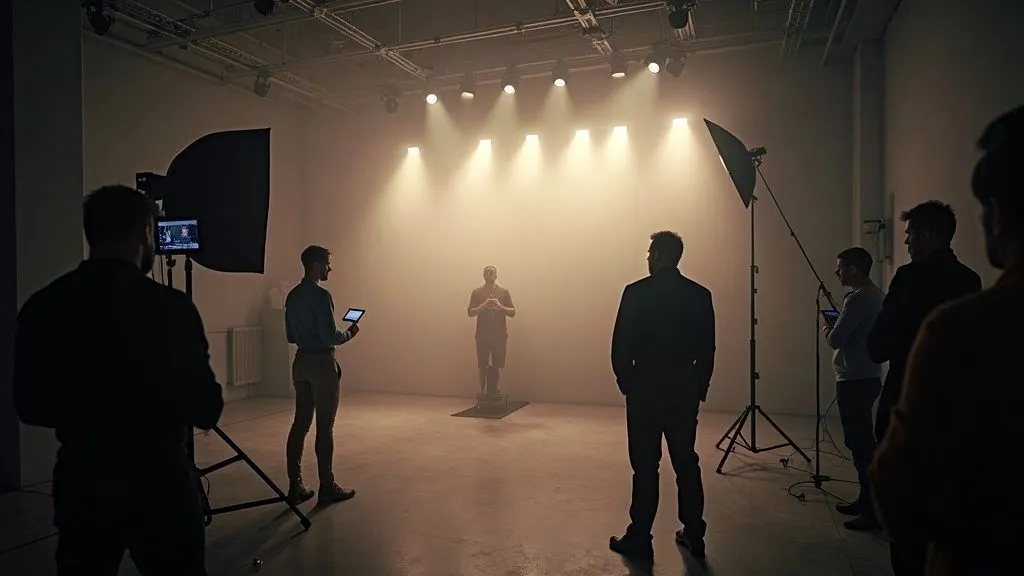
Event production is a multifaceted art that combines creativity, meticulous planning, and flawless execution. Whether you’re orchestrating a corporate gala, a wedding, or a festival, mastering the essential event production tips can ensure your gathering leaves a lasting impression on guests.
Effective event production tips can not only make your job easier but also enhance the attendee experience significantly. From understanding the logistics to creating immersive environments, each element plays a vital role in the overall success of the event.
Understanding the Core Components of Event Production
Before we delve into the specific tips, let’s outline the primary components that every successful event revolves around:
- Planning and Strategy: Defining the goals and objectives of the event.
- Budgeting: Establishing a budget that encompasses all aspects of the event.
- Venue Selection: Choosing the right location that fits the event theme and size.
- Logistics and Coordination: Managing vendors, schedules, and resources effectively.
- Marketing and Promotion: Generating excitement and awareness ahead of time.
- Execution: On-the-day coordination to ensure everything runs smoothly.
- Post-Event Analysis: Evaluating the success and gathering feedback.
With these components in mind, let’s explore practical event production tips that can elevate your event to the next level.
1. Define Your Purpose and Audience
Understanding your event’s purpose is paramount. Are you aiming to inspire, educate, or entertain? Tailor your production elements to resonate with your audience. Research your target demographic to tailor the experience. Data from Eventbrite shows that 83% of attendees are more likely to engage if they feel the event reflects their interests and values.
Pro Tip
Create detailed personas for your attendees. Consider age, interests, and professional backgrounds. This exercise will guide your choices in venue, speakers, entertainment, and even decor.
2. Create a Comprehensive Budget
The budget is the backbone of every event. Make sure it covers every expense from venue rental to catering, entertainment, decorations, and even contingency funds for unexpected costs. A survey by the EventManagerBlog revealed that 56% of event planners cite budget constraints as their biggest challenge.
Budget Breakdown Example
| Expense Category | Estimated Cost |
|---|---|
| Venue | $5,000 |
| Catering | $4,000 |
| Entertainment | $2,500 |
| Marketing & Promotion | $1,500 |
| Décor | $1,000 |
| Miscellaneous | $1,000 |
| Total | $15,000 |
Use budgeting software or spreadsheets to monitor expenses throughout the planning process. Regular checks can help prevent overspending and ensure the event remains financially viable.
3. Select the Perfect Venue
The venue can either make or break your event. When choosing a location, consider:
- Capacity: Make sure it comfortably fits your expected guest count.
- Accessibility: Is it easy for guests to reach? Is there ample parking?
- Ambiance: Does it align with your event theme?
- Facilities: Does it provide necessary audiovisual equipment, restrooms, and catering services?
A survey by the Event Leadership Institute indicates that 52% of event professionals consider venue selection as their top priority.
Venue Checklist
- Capacity limits
- Location accessibility
- Technical facilities (AV, Wi-Fi, etc.)
- Availability of tables and chairs
- Lighting options
- Emergency exits
4. Prioritize Logistics and Coordination
Logistics encompasses all the behind-the-scenes elements that keep an event running smoothly. Here are some essential logistics tips:
-
Vendor Management: Create a vendor list, including contact information and service details. A shared Google Doc can help keep everyone updated.
-
Timeline Creation: Develop a detailed timeline outlining key milestones leading up to the event. Include setup, the event’s start and end, and breakdown timing.
-
On-Site Coordination: Designate a point person for each vendor to ensure they know where to go and what to do on the event day.
Timeline Example
| Date | Task |
|---|---|
| 6 Months Out | Finalize venue |
| 3 Months Out | Confirm catering |
| 1 Month Out | Start promotion |
| 1 Week Out | Final vendor confirmations |
| Day Of | Setup, manage, and execute |
5. Employ Effective Marketing Strategies
Marketing can significantly influence attendance. Utilize multiple channels to promote your event, from social media to emails and flyers. According to a report by HubSpot, companies that use multiple marketing channels see a 24% higher engagement rate.
Marketing Tactics
-
Social Media Campaigns: Create event pages on platforms such as Facebook and Instagram. Use compelling visuals and engaging content.
-
Email Marketing: Send targeted emails to your audience with enticing subject lines and clear calls to action.
-
Networking: Leverage relationships with industry influencers, who can help promote your event in exchange for attendance.
6. Ensure All Technical Elements Are in Place
Technology plays a critical role in modern event production. Here are some essential technical tips:
-
Audio-Visual Equipment: Conduct a thorough tech check a day before. Ensure microphones, projectors, and screens work seamlessly.
-
Wi-Fi Access: Ensure adequate bandwidth to accommodate all attendees, especially if relying on social media engagement or live-streaming.
-
Backup Plans: Always have a backup plan for technical failures. This could mean having spare batteries, lights, or even a secondary sound system ready to go.
7. Craft Immersive Experiences
Consider how to make your event memorable. Engaging elements can create a lasting impression:
-
Theming: Choose a cohesive theme that aligns with your event goals and audience preferences.
-
Interactive Activities: Incorporate elements such as photo booths, live polls, or audience participation segments to keep guests engaged.
-
Unique Décor: Invest in high-quality décor that enhances the atmosphere. This could be anything from lighting installations to creative centerpieces.
Immersive Experience Ideas
-
Theme Nights: Transform a standard gala into a “Roaring Twenties” or “Masquerade Ball” to captivate your audience.
-
Interactive Stations: Create spaces where guests can engage with the event, such as DIY cocktail stations or art installations.
8. Focus on Catering Challenges
Food and beverages greatly influence guest satisfaction. Here’s how to ensure your catering is flawless:
-
Dietary Needs: Always inquire about dietary restrictions during RSVP. This will allow you to accommodate guests with allergies or special diets.
-
Taste Testing: Conduct tastings with potential caterers. This ensures the quality of food aligns with your expectations.
-
Service Style: Decide whether you’ll have buffet, plated, or family-style dining based on your event’s atmosphere.
Catering Considerations
- Menu Choices: Opt for a balanced menu with options for different taste preferences.
- Beverage Selection: Provide a range of alcoholic and non-alcoholic beverages.
- Presentation: Ensure that food presentation is aesthetically pleasing and on-theme.
9. Day-of Coordination
The event day is the culmination of all your hard work. Here’s how to ensure it goes smoothly:
-
Create a Master Checklist: Outline tasks to be completed on the day of the event. This could include vendor arrivals, setup tasks, and guest check-in.
-
Delegate Tasks: Assign responsibilities to your team to avoid confusion. Clearly communicate who handles what and ensure everyone knows the schedule.
-
Stay Calm and Adapt: Things may not go as planned, so maintain a positive attitude. Flexibility is key to overcoming unexpected challenges.
10. Evaluating Event Success
Once the event is over, take the time to reflect on its success. This is a crucial step in the event production process.
-
Gather Feedback: Use surveys to collect attendee feedback. Ask about their overall experience, specific segments they enjoyed, and any areas for improvement.
-
Analyze Metrics: Review attendance numbers, revenue generated, and any social media engagement to determine the event’s impact.
-
Post-Event Meeting: Conduct a debrief with your team to discuss what worked, what didn’t, and what can be improved for future events.
Post-Event Evaluation Checklist
- Gather attendee feedback.
- Review budget performance.
- Document lessons learned.
- Celebrate successes with your team.
Conclusion
Implementing these event production tips can streamline the planning process and elevate the attendee experience. It’s not just about throwing an event; it’s about crafting unforgettable experiences that reflect your vision and resonate with your audience.
As you embrace these strategies, remember that every event is a unique opportunity to learn and grow. Anticipate challenges, adapt as needed, and celebrate each success. With practice and attention to detail, you’ll become a pro at event production, creating magical moments one gathering at a time.