Mastering Event Production: Tips and Tricks for Exceptional Experiences
By Zoe Okonkwo · · 6 min read
Event production is an intricate dance of logistics, creativity, and anticipation. Whether it’s a corporate summit, a wedding, or a community festival, producing a memorable event requires a masterful orchestration of various elements. The right event production tips can transform a simple gathering into an extraordinary experience—a feat that can leave attendees raving about the event long after it concludes.
Preparing an event can feel like attempting to juggle flaming torches while riding a unicycle. It’s that complex! However, with a sprinkle of organization and a dash of creativity, you can pull off a spectacular show that dazzles your guests.
The Core of Event Production
At the heart of successful event production lies a clear vision. This vision acts as a beacon guiding you through each stage of planning. Understand your event’s purpose and target audience, as it will shape every decision you make—from the venue selection to the catering options.
Know Your Audience
Before diving into logistics, take a moment to think about who will be attending. Are they industry professionals, families, or a group of eager party-goers? Gaining insight into your audience can help steer your choices effectively. According to a recent survey by Eventbrite, 90% of event creators prioritize the experience of their attendees. This statistic emphasizes the importance of catering to your audience’s preferences and interests.
Planning and Logistics: The Backbone
A successful event relies heavily on meticulous planning and logistics. Here are some essential tips to ensure everything runs smoothly:
Create a Comprehensive Timeline
Every successful event starts with a timeline. This timeline serves as the spine of your planning process, allowing you to visualize the entire scope of the project. Begin by determining the key milestones leading up to the event day:
- 3-6 months before: Define objectives, budget, and venue.
- 2-3 months before: Begin vendor sourcing, finalize the guest list, and develop marketing strategies.
- 1 month before: Confirm details with vendors, conduct site visits, and start assembling event materials.
- 1 week before: Finalize the event schedule, conduct a dress rehearsal, and prepare for contingencies.
Budget Wisely and Transparently
Budgeting may not be the most glamorous aspect of event production, but it’s undeniably crucial. Establish a budget that accounts for all potential costs, from venue rental to catering and entertainment. Create a budget spreadsheet to track ongoing expenses and stay flexible to changes. Experts suggest allocating about 10-15% of your budget for unforeseen expenses—because, let’s face it, they will arise.
Venue Selection: Setting the Stage
Selecting the right venue can make or break your event. The venue should complement your event’s theme while accommodating your target audience.
Consider Capacity and Layout
The size of the venue should align with the expected number of attendees. A cramped space can create discomfort, while an oversized venue can feel uninviting. Plan for 10-15% more than your estimated headcount to account for last-minute RSVPs.
Additionally, consider the layout. Will you need breakout rooms for workshops, or is a single main stage sufficient? Understanding these requirements early on will help narrow your options effectively.
Accessibility is Key
Ensure the venue is accessible for all guests. Look for wheelchair ramps, designated parking spaces, and restrooms that accommodate everyone. Statistics show that nearly 1 in 5 people have a disability, so creating an inclusive environment is not just considerate; it’s also essential.
The Power of Marketing
Even the best event can fall flat if no one shows up. Crafting a compelling marketing strategy can help build excitement and drive attendance.
Build Buzz with Social Media
Social media channels are a fantastic way to generate interest. Utilize platforms like Instagram and Facebook to showcase behind-the-scenes content, teasers, and engaging graphics.
Consider leveraging event hashtags to allow attendees to share their experiences and build anticipation. According to a report by HubSpot, 40% of people say they learn about events through social media platforms, highlighting the effectiveness of digital marketing.
Email Marketing Still Works
Email is a powerful tool in event promotion. Craft personalized invitations that resonate with your audience. Segment your email list to tailor messages based on interests. Engaging subject lines can significantly increase open rates. Data from Mailchimp shows that personalized emails can increase click-through rates by up to 14%.
Engaging the Senses: Décor and Atmosphere
Creating a memorable atmosphere involves engaging all the senses. Think about how you can craft a captivating ambiance that will leave a lasting impression.
Lighting Matters
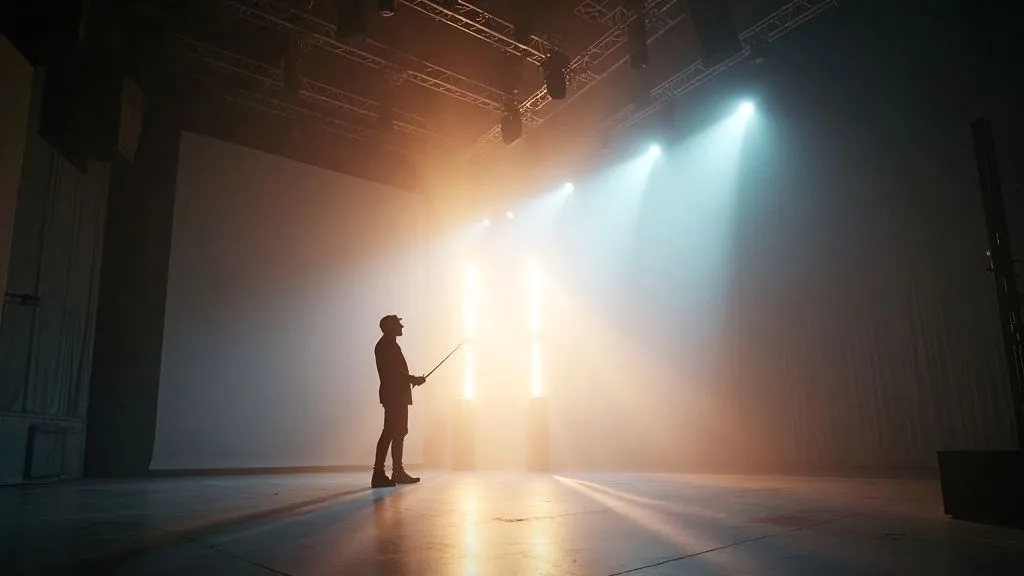
Lighting can dramatically alter the mood. Whether you opt for soft, romantic lighting for weddings or vibrant, energetic lights for parties, lighting sets the tone for your event. Consider incorporating colored LED lights or projectors to create an immersive experience that complements your theme.
The Taste of Success
Food often acts as the centerpiece of any gathering. Collaborate with your catering team to curate a menu that aligns with your theme. If your audience consists of foodies, consider interactive food stations or unique cuisine offerings. According to a survey by the National Association of Catering and Events, 74% of guests cite food as the most crucial element of an enjoyable event.
Music and Entertainment
Choosing the right entertainment can elevate your event. Whether it’s a live band, DJ, or engaging speakers, ensure they align with your theme. Create a playlist that resonates with your audience and keeps the energy flowing. For corporate events, experts suggest incorporating interactive elements like live polls or Q&A sessions to keep attendees engaged.
Pre-Event Preparations: The Dress Rehearsal
A successful event is often the result of thorough preparation. Conducting a dress rehearsal can help ensure everything runs seamlessly on the big day.
Walk Through the Entire Event
Gather your team and do a complete walk-through of the event. This will help identify any potential issues—like awkward spaces or logistical bottlenecks—before they arise. Ensure everyone knows their roles and responsibilities, from setting up decor to managing registrations.
Prepare for the Unexpected
Even with the best-laid plans, things can go awry. Create a contingency plan to address common issues, from weather problems for outdoor events to vendor no-shows. Be prepared with backup options. This could be anything from extra seating to alternative transportation for attendees.
On the Big Day: Execution
The day of the event is where all your planning pays off.
Start Early
Arriving early is crucial for ensuring everything is in order. Check-in with vendors, set up the venue, and ensure all materials are ready for distribution. A calm and collected presence can set a positive tone for the day.
Communication is Key
Maintain open lines of communication with your team throughout the event. Use group messaging apps to relay information quickly and effectively. If something goes awry, a swift response can mean the difference between success and chaos.
Post-Event Analysis: Learning for the Future
Every event is an opportunity to learn and grow. After the event concludes, take time to review what worked and what could be improved.
Gather Feedback
Feedback is invaluable. Send post-event surveys to attendees to gauge their experiences. Ask about specific elements—such as the venue, food, and entertainment—so you can highlight strengths and address weaknesses.
Analyze Data
Review attendance numbers, engagement on social media, and budget adherence. This data can provide insights that help shape better future events.
Building Lasting Relationships
Event production isn’t just about the event itself; it’s also about the connections made along the way. Foster relationships with vendors, attendees, and sponsors. A positive reputation can lead to word-of-mouth referrals and partnerships for future events.
Conclusion
Mastering event production requires a blend of creativity, organization, and adaptability. By following these event production tips, you can elevate your gatherings from mundane to unforgettable experiences. Embrace the challenges and enjoy the journey, for after all, the magic lies in the moments created and shared.
With careful planning, a keen eye on details, and a genuine connection with your audience, your events will not just be remembered—they will be cherished. Every celebration, conference, or gathering is a unique opportunity to make an impact, inspire change, and foster relationships that can last a lifetime.